


The Real Benefit To Learning To Play Piano Using Headphones
Benefits Of Learning Piano Using Headphones Learning to play the piano using headphones is a unique process that you may complete with a number of special pianos in the Cooper Pianos showroom. This article explains how you may learn to play piano in a new way, and there are a few techniques you may … Continued
The Real Benefit To Learning To Play Piano Using Headphones
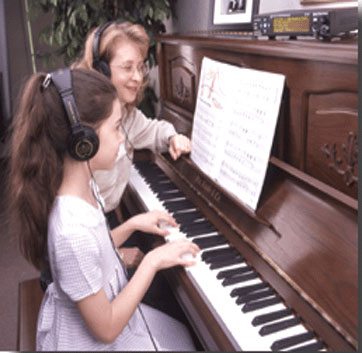
Benefits Of Learning Piano Using Headphones
Learning to play the piano using headphones is a unique process that you may complete with a number of special pianos in the Cooper Pianos showroom. This article explains how you may learn to play piano in a new way, and there are a few techniques you may use to enjoy the piano without the pesky acoustic issues that come with traditional instruments. Try each technique listed, and you will find learning piano with your headphones on to be quite simple.
#1: The Headphones Offer A Unique Aural Experience
You may listen over your headphones for as long as you like, and play in your ear for as long as you like. You need not strain to hear the tones, and you will enjoy the immersive experience that is playing the piano in this manner. You must ensure you have used proper headphones that allow you to hear everything, and you will learn how to hear every tone on its own.
#2: You Will Not Be Distracted
The distractions you often find while practicing are around you, and the headphones help you tune them out. You may listen to the headphones alone, and you will hear nothing aside from the piano. The piano will play in your ear at a volume of your choosing, and you will enjoy hearing the fruits of your labor come to life while you are working. You may teach everyone in your family to play with headphones, and every practice sessions will be quite exciting as a result.
#3: The Headphones Offer Better Pitch Recognition
The pitches you play on the piano are often spread out for recognition purposes, and hearing intervals is an integral part of becoming proficient. You need not spend your time struggling to hear the piano as you hunt for tones, and you will enjoy the sounds you hear as they are distinct from one another.
#4: Headphones Will Play Anything Coming Through The Piano
You may purchase a wide range of electric pianos from the Cooper Pianos showroom, and you may plug into them at any time. It is quite important that you are using your piano to the full once you have purchased your uniforms. There are many different pianos you may choose from on the showroom floor, and you may use the pianos in any way you like. The finest of the pianos in the showroom will play as if they are acoustic, and they will play electronic tunes that may have been programmed into them.
#5: Sharing The Experience
You may use a splitter to share the experience of playing the piano with another person, and each of you will hear the piano as clearly as if it were right next to you. You will enjoy the experience you have with someone in the piano bench beside you, and you will quite enjoy the way it feels to play with someone else if you wish to play piano with four hands.
#6: The Piano Will Last Longer
You may use quite a lot of pianos in your home, and you will notice the pianos in your home often break down due to weather and the humidity. The electronic piano you purchase to use with headphones will help you hear well, and you will appreciate the sound that comes through the headphones. Hearing the sound from the piano will help you realize every tone you must play, and you will be in a position to keep your piano studies as clean as possible. You are attempting to make sounds that are easy to hear, and you will enjoy the experience far better than leaning over the open piano lid.
#7: The Pianos May Be Used Anywhere
The pianos you purchase with electronic features may be moved to anywhere in your home, and you will quite enjoy the pianos as it may be moved from your living to your study and your bedroom. You have quite a lot of versatility when using an electronic piano, and you must ensure you have proper piano that helps you practice.
#8: Sitting Your Child At The Piano
You may sit your children at the piano at any time, and you will enjoy watching as they are lost in their own world. They will play for quite a long time while they are wearing the headphones, and you will enjoy their improvement that you may hear when the headphones are unplugged. You must train your children to practice properly, and you must teach them to use the headphones as a practice tool.
#9: Using Headphones In A Classroom
You may use headphones in a large classroom where each student wears headphones to avoid the sound around them. You may have each of your students wearing headphones that you have provided, and they will help you create teaching experiences that are individual. Your students hear what they are creating without the burden of listening to everyone else, and you will hear a silent classroom around you that helps everyone learn.
You are attempting to teach your students to play properly, or you may learn the piano on your own. You are allowed to plug the headphones into any of the headphone jacks in your electronic pianos, and you will hear what is coming through the speakers as you play. You will learn your mistakes, hear the distance between pitches and learn how you sound as you play.
Top 4 Questions about Piano Care
Piano Care: Most Frequently Asked Questions When you own a piano, regular maintenance and proper care are the keys to making your piano last for hundreds of years. Unfortunately, there are hundreds of piano owners who are unaware of the proper techniques required to keep a piano working properly and in the best possible … Continued
Top 4 Questions about Piano Care
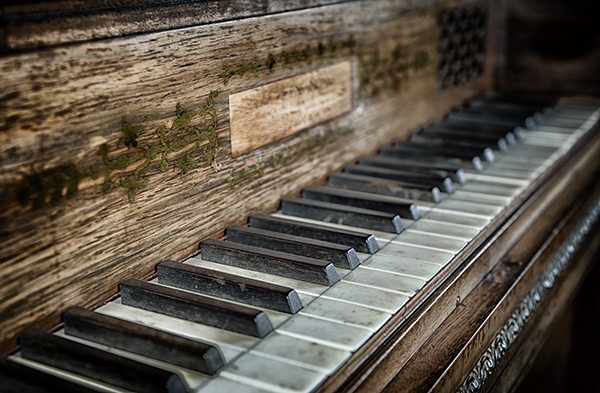
Piano Care: Most Frequently Asked Questions
When you own a piano, regular maintenance and proper care are the keys to making your piano last for hundreds of years. Unfortunately, there are hundreds of piano owners who are unaware of the proper techniques required to keep a piano working properly and in the best possible condition. We receive thousands of questions about pianos, but these four questions are the ones we most commonly see about caring for a piano.
Does My Piano Require Regular Maintenance?
Simply put, yes. If you want to enjoy your piano years into the future, you must seek regular and proper servicing of your piano from a qualified piano technician. Having your piano tuned regularly will prevent it from sounding flat and allows the technician to do minor action and voicing adjusts after tuning is complete. In addition, with typical home use your piano will need to have the keyboard complete re-regulated every few years. Having this service done regularly will allow your piano to perform and respond correctly during each use.
Even more so, your piano will need to have the hammer felts adjusted, also known as voicing, to keep the original sound of your piano. This is necessary because every time you use your piano, the hammers will begin to harden and will continue to do so over time. When you do not have then periodically adjusted it can significantly cut the quality and lifespan of the pianos hammers. Resulting in you having to replace the hammers years before you would normally have to with regular maintenance.
Furthermore, it’s important to have all of your pianos maintenance and repair needs done by a qualified piano technician. Poor quality work from someone who is not experienced or qualified to work on pianos can diminish your pianos quality and cause it to fail more often. In some cases, it can cause significant damage that will need a lot of time and money to repair.
How Do I Clean My Piano?
One of the best ways to keep your piano clean is by implementing certain preventive measures. The main way that dirt gets on our piano is by way of our hands. It’s important to always wash your hands before playing or touching your piano. A quick 30 second scrub down can prevent heavy build up. In addition, you should always cover your keys with the lid when you’ve finished playing. This keeps dust and dirt from getting on the keys and into the cracks.
Even more so, never place anything on your piano that may spill or scratch it including vases, drinks, books, and even paper. You should place your piano in an area that keeps it away from sun exposure. Sun exposure can cause unwanted fading and discoloration.
However, despite applying these preventive measures, your piano will still accumulate dirt and dust. You should use a feather duster or damp cheesecloth to wipe down the exterior of the piano frequently. Preferably, two or three times per week. Be sure to use a white cheesecloth or flannel for wiping to avoid any discoloration of the keys. Never use a rough cloth, paper towels, or a dry cloth to wipe down your piano because it can cause scratching and minor imperfections.
Even more so, its important to avoid using mineral water, sprays, perfume, polish, or aerosol on your piano because it can alter your pianos color and appearance and cause undesirable markings. Lastly, only clean the exterior of your piano and have a professional clean the interior often. The interior has hundreds of fragile parts that needs cleaned by someone who has had experience in cleaning these delicate pieces.
How Often Should I have My Piano Tuned?
One of the most common questions we see on piano care involve piano tuning. According to the Piano Technicians Guild, as well as most manufacturers, they recommend that a piano gets tuned twice every year. Typically once every six months for the life of your piano. However, new pianos need more frequent tuning at four times for the first year of use and then twice per year afterwards.
Every piano string has a high amount of tension and will stretch with each use. As the strings stretch, the pitch of the piano goes flat. Even when the piano is not used very often, the strings will gradually stretch over time and eventually become flat. In addition, Most pianos made to carry a concert pitch which means it’s tuned at A above middle C with vibration at 440 cycles per second, also known as A440.
If the strings stretch too much, it will require a lot more effort on a technicians part, aside from just tuning the piano, to get them back to the A440 concert pitch. Plus, aside from keeping your piano from going flat, tuning a piano properly is extremely important for prolonging the lifespan of your piano.
How Do Minimize The Effects Of Humidity and Temperature Changes On My Piano?
Humidity and the constant fluctuation of hot and cold temperatures are disastrous to your piano. It can cause tuning pins to slip, wreck the finish, discoloration and fading, failing glue joints, and several other ailments. One of the best methods to avoid this type of damage to your piano is placement and steady temperatures. By keeping your piano in a room with a constant steady temperature that does not change drastically is vital.
However, where you place your piano is just as important as consistent temperatures. First off, keep your piano away from any direct sunlight and avoid putting potted plants or drinks that could spill on top of your piano. In addition, never place your piano near a heating vent that will blow direct heat on the piano. If there is a heating vent near the piano, either move it or completely seal off the particular vent.
Furthermore, there are some addition items that you should never put your piano next to including fireplaces, radiators, drafty windows, air conditioners, and gas heaters. Anything that will expose your piano to extreme temperatures. Never keep your piano in an area that does not have heating or anywhere that may expose it to the elements.
Lastly, piano technicians can install a device of many pianos called an internal humidity control system. This systems equipped with both a humidifier and dehumidifier that will properly maintain humidity levels. It is fairly cost-effective and has saved hundreds of pianos throughout the years.
A Used Piano Via Private Sale Is Big Risk
A Used Piano Via Private Sale is a Big Risk I get a lot of questions from people asking me about the pros and cons of buying a used piano from a dealer, as opposed to a private seller. To put the issue to rest, I decided to address this question head-on. … Continued
A Used Piano Via Private Sale Is Big Risk
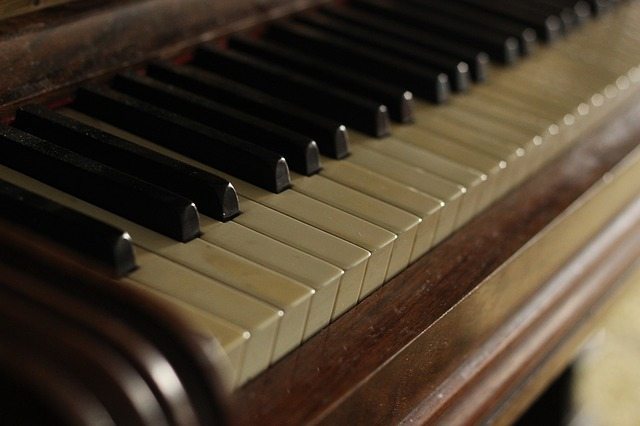
A Used Piano Via Private Sale is a Big Risk
I get a lot of questions from people asking me about the pros and cons of buying a used piano from a dealer, as opposed to a private seller. To put the issue to rest, I decided to address this question head-on.
As with any large purchase, when looking for a piano you’re trying to find a great deal on an an investment that will serve you for years to come. And naturally, it’s tempting to think that purchasing a used piano through craigslist or the newspaper classifieds will end up saving you money. But what is the actual cost of choosing a private party, versus a trustworthy dealer that specializes in evaluating and servicing pianos before listing them for sale?
From my years of experience as a piano service and sales professional, I can tell you that the risks—and associated expenses—of buying a used piano from a private seller significantly outweigh whatever the initial difference in list price might be. From stubborn tuning problems to invisible flood damage, there are many reasons to be wary of buying from a private seller.
Let’s take a closer look at some of the concerns:
Pianos kept in sub-par environmental conditions
Because they are made from organic materials, pianos are at the mercy of the environment in which they are played and stored. When it comes to the biggest risk factors for the health and longevity of a piano, humidity and temperature are the two important variables. Technically speaking, it is actually the combination of these factors, called relative humidity, that has an impact on your piano.
Relative humidity, known as RH, is the amount of moisture contained in the air compared with the maximum amount of moisture the air is capable of holding at any given time. Temperature and humidity both affect RH, so it is important that they be controlled together in order to preserve the integrity of the piano. When you’re checking out a used piano that has not been inspected by a qualified technician, you can’t know with certainty that the piano has been kept in ideal conditions.
So what are the potential consequences of keeping a piano in the wrong RH, or keeping it in an environment with fluctuating temperature and humidity? Well, as the weather changes from day to day, and particularly from season to season, these fluctuations create a back-and-forth stress on the materials in the piano.
Especially worrisome are the expansion and contraction of the wooden components of in the instrument. On the surface, this will manifest as the piano going out of tune, but underlying problems such as cracks in the soundboard can be much more expensive to repair. And if the changes in RH are extreme enough, or continue for a long period of time, the piano will eventually become impossible to tune. I can assure you, that is not a fun thing to find out after spending thousands of dollars on an instrument!
Humidity and temperature can also inflict wear and tear on other, smaller parts of the piano. From the keys, to the glued joints holding your piano together, to the metal hardware throughout the instrument, everything in a piano is subject to effects of changes in RH. Without an expert eye and ear, you’ll be hard-pressed to make a thorough assessment of this potential damage.
Damage from a traumatic event
There are many ways that a piano can be damaged acutely in a single event. Most obviously, damage can occur in the transport of the instrument. The simple acts of moving a piano, transferring it into and out of a vehicle, and setting it down from any height can all be detrimental to its structural integrity.
Sometimes this type of damage is not readily visible, but can cause problems down the line. It’s important to realize that the stress from moving is cumulative, meaning that the more times a piano has been moved, the great potential for damage there is.
Another type of acute damage is caused by spills of any kind. As described above, any kind of moisture can cause problems with your piano. Spilling any kind of liquid onto a piano can cause localized swelling of wood, or other issues depending on the materials the liquid comes in contact with. Again, this is the type of blemish that might be hard to detect for someone without experience in evaluating pianos.
Smoke damage is another concern, and can occur with either repeated exposure to small amounts of smoke, for example from cigarettes, or from a more serious event like a fire. Keep in mind that while a piano might not appear to have smoke damage, there may be residues in parts that are not easily visible.
Unless you’re an expert, save yourself the trouble and buy from a dealer!
Having seen countless used pianos with all sorts of problems, some repairable and some requiring a complete rebuild, I could go on much longer about all the risks inherent in the buying process. But I think you get the idea—a used piano purchase can cause serious headaches down the road if you don’t buy from a reputable dealer. Give yourself peace of mind by buying an instrument that will bring you joy and last a lifetime!
Where To Begin With Piano Lessons
Where to Begin With Piano Lessons Acknowledging your child’s artistic mind truly is an experience. Nothing is cuter than chubby fingers slamming down on tiny piano keys with a smile on his or her face. It fulfills a certain need in any parent to make their child thrive in life. But before you embark … Continued
Where To Begin With Piano Lessons
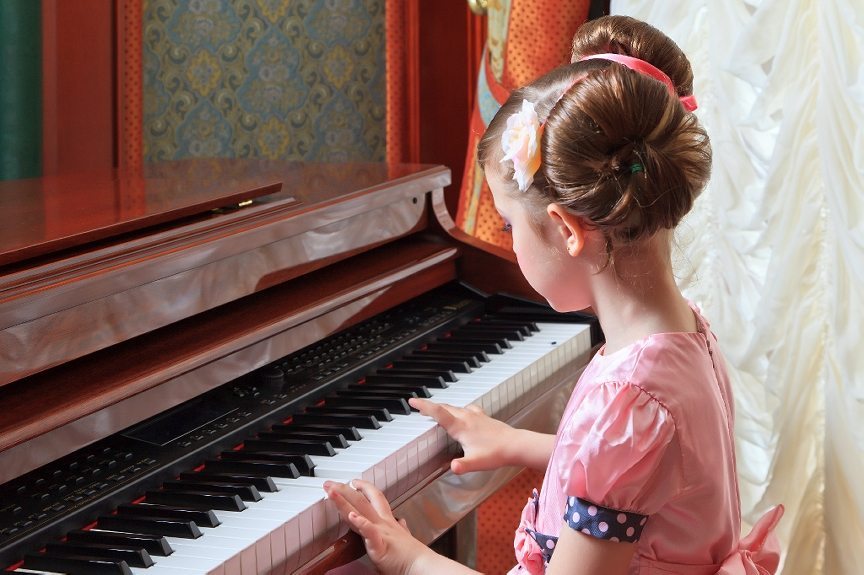
Where to Begin With Piano Lessons
Acknowledging your child’s artistic mind truly is an experience. Nothing is cuter than chubby fingers slamming down on tiny piano keys with a smile on his or her face. It fulfills a certain need in any parent to make their child thrive in life. But before you embark on any Mozart or Beethoven you should really make sure your child wants to learn the art of piano.
Buy a cheap piano and see if your child is interested
Put the piano in a part of the house where there are no distracitons
Have the piano in your house months before your child want to learn
Talk about the piano with your child and the length of training needed
Signs Your Child Wants to Learn Piano
Mozart was only 5 when he learned piano and violin, spinning one of the most legendary careers in history. Believe me, your child can be a Mozart. The Best sign your child can give if he or she wants to learn piano or any musical instrument is interest.
As soon as your kid gives you a flare of the eyes when they first start thumping their fingers on the piano, acknowledge it and let them know they can do and be anything they want. Not acting on this basic need of knowledge and skill your child desires can be catastrophic in the early developmental stage of their life.
Best Age to Start Your Child on Piano Lessons
The best age to start your child on piano differs with anyone. Since anyone can learn piano at any page this makes it a very flexible instrument to learn.
However there is a difference between being mentally and physically ready to play the piano and just want to do it to say they did it.
You shouldn’t be signing up your five year old just yet. Due to the size of their fingers and learning ability you should instead introduce them to the instrument and music itself. Show them Mozart show them popular cultured piano music. Let them dwell deep into the art itself so they are ready at the appropriate age to learn the craft.
Most piano students start at the age of 10-15. And there are three main areas to look for to be sure your child is ready to start on piano.
Their hand size
Their finger dependence
Their willingness to learn
Best Places to Find Piano Lessons
Now that you know your child wants to learn piano, you are stuck with the decision of online learning vs one on one. As important as physical piano tutors are, you may be better off signing your kid up for an online computer version of piano classes. Some benefits of this include a lower cost, no need to travel to and from the piano studio, and an ease of mind knowing your kid has education at his/her very fingertips.
However, piano tutors aren’t going anywhere. Educational wise, especially for younger learners, getting taught one on one is instrumental to their mental health. It grows their social behavior as well as general fun for them and the teacher. You don’t get to share too many laughs with a computer.
For online learning I suggest checking out pianoground, pianomarvel, piano with willie, Piano Keyz, Learn Piano in 30 days, Hoffman Academy, The Online Piano School, and the Online Pianist. For piano tutors, I suggest checking around in your area for the best tutors. one of the most recognized piano studios is Cooper Piano.
Providing tunups, materials, and support to any student willing it has a strong reputation and a kind staff. Remember, experience is more important than the cost. You want to make sure your child is getting the best possible experience.
Materials Needed to Start Piano Lessons
The two most basic materials needed to being piano lessons are strong goals and a willingness to learn. Most teachers provide the piano, unless you are getting lessons in home, as well provide the learning material.
Strong goals are important for even the first lesson because your teacher needs to know what direction you want to go in. Do you want to learn some basic chords? Do you just want to know how to play songs on the radio? Do you want to become one of the best painists of all time?
A willingness to learn is another important thing to not only bring to the first lesson but every one of them. The more disappointed you get with yourself learning a new skill, but the harder it makes to learn it. Bringing a positive attitude and willingness will not only make you happier but will show how much you care to your piano teacher. Learn from your mistakes and there’s no stopping you!
The History Schimmel Piano
The History Schimmel Piano Schimmel Pianos was founded by Wilhelm Schimmel in 1885, in Germany. A short time after finishing his training as a piano manufacturer, he created his very own workshop in Leipzig. By 1885, he had produced his very first piano, and by 1894, he had produced over 1,000 quality pianos. Shortly … Continued
The History Schimmel Piano
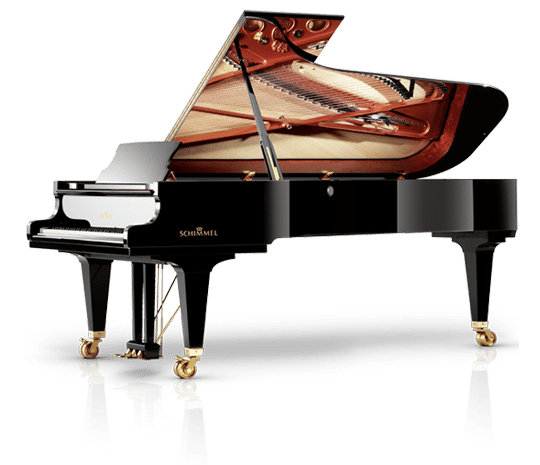
The History Schimmel Piano
Schimmel Pianos was founded by Wilhelm Schimmel in 1885, in Germany. A short time after finishing his training as a piano manufacturer, he created his very own workshop in Leipzig. By 1885, he had produced his very first piano, and by 1894, he had produced over 1,000 quality pianos. Shortly after beginning his piano-making journey, Schimmel won numerous awards at fairs and world expositions. He was even accredited with titles by vendors to various royal houses.
Schimmel always created his pianos with his customer’s expectations and desires in mind. All of his customers could feel and hear all of the love that went into his instruments. At the time, they were all made under the highest of standards when it came to quality and sound. In just a few short years, in 1897, the company needed to build a bigger factory to keep up with demand for his beautiful instruments.
The company specialized in different types of pianos: Grand, Upright, and even player pianos (also known as “Kunstspiel pianos”). While Wilhelm retired in 1927, the successful piano company was passed down to his son Arno. He became President of the company while his brother, Authur managed the Schimmel retail store. As President, Arno moved the company’s workshop to a different location, in Braunschweig. There, he had a hand in developing one of the major instrument innovations of that era: a smaller piano that lacked back posts, which had extremely unique tonal character.
Arno would become an inspiration in the industry, leaving his imprint on Schimmel Pianos. He completely revolutionized the company’s design and manufacturing processes, leading the way to a whole new era of modern, exquisite pianos.
During the same decade, many piano makers were hurting from the recession. Because of the economic suffering, many piano makers formed a co-op. This co-op was known as “Deutsche Piano-Werke AG”. Schimmel was a part of this co-op for a few years, until 1931.
Even through hard times, Schimmel Pianos continued to thrive and experience success. By the end of the 1950s, Schimmel was the company whose pianos were most purchased in the entire country. Their pianos were even purchased and sent to locations all over the world.
In 1961, the company was passed down again to another family member. Nikolaus Wilhelm Schimmel became the company’s head, focusing on their expansion. In 1967, the company acquired Berlin’s May Pianofortefabrik. This purchase, along with increased sales forced the company to construct a new site where Schimmel Pianos’ research and development intensified.
In 1979, Schimmel Pianos acquired the piano company, Sabel. Sabel was founded in 1842 and specialized in grand and upright pianos. Based in Switzerland, this piano company was known throughout Europe for their rich sounding instruments and solid workmanship. Sabel was brought into the Schimmel family by Erna Schimmel-Maurhofer, a Schimmel family member born in Switzerland.
Aside from the Schimmel Classical Series, Schimmel developed the Schimmel Konzert Series, over a long period of time; two decades. This new series, along with the Classical Series, cemented their leading position in the piano industry.
In 2003, the company was passed on again to Hannes Schimmel-Vogel. Since 1980, Schimmel has operated from the same factory, producing over 10,000 upright pianos and 1,200 grand pianos per year. In the 1990s, Schimmel Pianos reintroduced the acrylic grand series and has produced several art pianos that were designed by artists, becoming amazing collection pieces.
In 2010, Schimmel Pianos celebrated its 125-year anniversary. There was a special ceremony held in Brunswick Cathedral to commemorate the event, where they also announced the launch of several new instrument models.
Part of this family company’s success can be attributed to the family’s policy of never sharing its well-kept secrets and traditions with anyone outside of the company or family. Many people believe that this is one of the main reasons behind the company’s famed, good quality pianos. Not one other company in the world can seem to match Schimmel Pianos’ perfect keyboard assembly, flawless key response, exceptional woodwork, and amazing sound production.
Today, Schimmel Pianos are made both in Europe and China. Those pianos made in Europe are meant for European markets, while pianos made in China are meant only for the domestic market of the People’s Republic of China.
While many companies mislead their customers by stating their pianos are made with “German design”, Schimmel Pianos still operate and create their pianos in Germany, with the same quality design that they started out with. These pianos are made by artisans who live in Braunschweig and have an unrivaled attention to detail. Schimmel Piano produces the same quality products that won Wilhelm Schimmel’s favor to royalty.
Schimmel Pianos’ success and quality work can be largely credited to the company’s history. Not many companies are managed by direct descendants of original founders. Schimmel Pianos is a true family business and maintains its original quality, excellent production. Part of this equal production ability is due to the fact that the management has always been part of the family. Each new generation holds a strong bond to their family’s history of strong, beautiful, quality pianos.
Top 5 Piano Buying Tips
Top 5 Piano Buying Tips The piano was invented in Padua, Italy around 1700s by Bartolomeo di Francesco Cristofori. The invention was born out of the idea that a taut string can produce sound when vibrated and boxes could be used to augment the sound. The classical concert piano has come a long way, thanks … Continued
Top 5 Piano Buying Tips

Top 5 Piano Buying Tips
The piano was invented in Padua, Italy around 1700s by Bartolomeo di Francesco Cristofori. The invention was born out of the idea that a taut string can produce sound when vibrated and boxes could be used to augment the sound. The classical concert piano has come a long way, thanks to advances in technology that has seen the invention of digital pianos and other modern musical instruments. Pianos come in different sizes, design and features. The three main types of Piano are Upright, Grand and Electronic piano. Grand piano or horizontal piano is the largest and most expensive type of piano. The popularity of this piano stems from several factors, including its aesthetic and psychological appeal as well as the high sound quality.
The Grand piano features dampers, wooden made form holders and keys made of wood or ivory. Its soundboard is usually encased in an open platform that lifts upwards. The baby Grand piano is a smaller version of Grand piano. This piano uses an 88-key set and comes with a much smaller soundboard. The Upright piano is the most commonly used piano.
This piano is widely used because it is less expensive, comes in a compact shape and produces more measured sound. In terms of design, the strings and dampers on Upright piano typically stretch downwards while the soundboard lies in a vertical direction. The soundboard support base is normally visible on the back area. The main differences between the upright and grand piano lies in the design and construction material.
The other components of the Grand and Upright piano such as the keyboard are pretty much the same. The Electric piano, on the other hand, is a much preferred option for beginners and mobile music troupes. This piano is much more affordable compared to the Grand and Upright pianos. Electric piano features different sounds and settings, in addition to special constructs such as the headphone that allow the user to operate the instrument silently.
The downside of electric piano is the suspect sound quality and often cumbersome power supply. Purchasing a piano for the family can be one of the greatest decisions you will ever make because it will create an opportunity to stimulate your intellectual senses and bring utmost enjoyment at home.
Below are top 5 tips to consider when buying a piano:
Making the initial consideration
There are several considerations to decipher when purchasing a new piano; these include the instrument’s proficiency level, cost, space, brand and design of the piano. Purchasing a higher piano quality, even if it is slightly expensive is always a prudent investment decision because a well-maintained, top quality piano can last up to 40 years. With regards to space, a standard Upright piano measures about 5ft wide x 5ft deep (including the sitting area).
Grand pianos, on the other hand, require a larger space because a standard instrument measures about 5ft x 7ft wide. The decision to purchase an Upright or Grand piano is largely determined by factors such as individual preference, space, cost and level of proficiency. When it comes to cost, always go for the longest Grand piano or tallest upright piano that you can find, because pianos with long strings produce the best tones.
In addition, you can also choose whether to go for a new or used piano. There are numerous risks in buying a used piano. For starters, you must make sure all the keys and critical components are operational. A cheap or free piano can end up being expensive and undesirable afterwards because of the time and cost it will take to repair or rebuild the instrument.
Shopping around town and online
When shopping around for a piano in Atlanta, it is important to take your time to check out a number of pianos sold in reputable piano shops in the city or online before making the final decision. The next step is to narrow down your search to two or three pianos based on the tone, cost and level of appeal.
If the store is offering discounts, go ahead and negotiate the price. Before making the final purchase, ask the dealer if the instrument comes with a warranty that covers parts and labor. If the warranty is transferable, your piano’s resale value will remain high in case you decide to sell it.
Check your room’s acoustic setting
One of the most important factors to consider before buying a piano is the significance of your room acoustics. This is an important factor because the location and setting you choose to have your piano should complement its tone. Some of the factors that can influence the acoustics include the size of the room, curtains and type of flooring.
For instance, a Grand piano with bright tones will require a medium to large open space and carpeted or tiled floor that compliment the instrument in order to bring out the most desirable view. Whatever location you choose for your piano, make sure the instrument is placed a safe distance from sources of heat and cold such as the air conditioner, fire pit and direct sunlight.
Get a piano technician to help you
Always choose an instrument that will fit your musical needs. If you are not well-versed with the intrigues of piano buying, it is important to seek the services of an experienced piano technician to help you chose, analyze and move the piano. During the examination stage, the technician might be able to spot underlying problems and advice you accordingly. Although seeking professional assistance might be expensive, if you really value your purchase, then this is a good bet to try.
Look for a professional piano transportation service
Due to the delicate nature of moving big pianos, ask whether your piano dealer has a professional moving service or arrangement. If the service is unavailable at the store, look around for a professional piano mover who will help you transport the instrument safely to its rightful location inside your home.
Should I Refinish My Piano Myself?
Should I Refinish My Piano Myself? Restoring an old piano can bring new life into an old and perhaps previously abandoned instrument, and it’s certainly worth your while if you have an old piano gathering dust in your garage or basement that you would like to make good use of. Or perhaps you inherited your … Continued
Should I Refinish My Piano Myself?
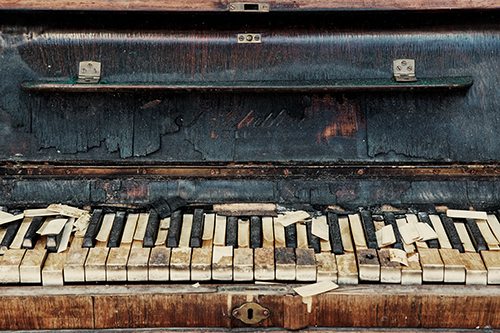
Should I Refinish My Piano Myself?
Restoring an old piano can bring new life into an old and perhaps previously abandoned instrument, and it’s certainly worth your while if you have an old piano gathering dust in your garage or basement that you would like to make good use of.
Or perhaps you inherited your grandmother’s beloved instrument, but it’s fallen victim to scratches and dents and other aesthetic maladies which make you think twice about giving it the place of honor that it deserves in your living room. A restoration can make a dilapidated instrument into a fine one, though you should note that it’s not always worth the effort and money that it takes to restore an instrument to like-new condition. You can always consult with an expert beforehand, to make sure that it’s actually worthwhile to restore your instrument.
I will not tell you that you should avoid refinishing your piano as a do-it-yourself project at all costs – it can be a very rewarding experience if you are careful to follow the necessary steps and have an attention to detail. What I don’t recommend is taking on the full restoration yourself, or being lackadaisical about how you go about the refinishing work because it could all just prove to be a costly mistake in the end.
My advice to anyone considering restoring their own piano is that it’s a complex process, requires a lot of work (including dismantling the instrument), and simply isn’t something that you could finish in one Saturday afternoon. It’s a lot of work, and so it may actually be worth your time and money to leave the work to professionals.
Refinishing an old piano can be a fascinating and worthwhile undertaking, and will not be too much for you if you’ve got some experience with furniture restoration. If you decide that it’s worth it to dive into all of this refinishing work yourself, you’ll need to disassemble the piano cabinet as much as you can, and mask off all the keys and action.
It may The next step is stripping off all of the lacquer finish, before doing further prep work on the surface of the wood veneer that will entail thoroughly sanding every part of the cabinet to a flat finish. Before you can apply any stain or finish, you have to fix any structural problems as well as blemishes like scratches and dents, which can be done with wood filler.
Any parts of the veneer that are peeling off will need to be glued in place. Once all of this is done, you can apply pore filler by hand, and let it dry partially. Wipe it off, so that only a small amount remains, and then leave it to dry. After this is done, you can finally stain or paint the wood, depending on your preference, and then leave this to dry.
Thoroughly inspect and prepare every bit of the cabinet to ensure that everything is ready for you to start applying lacquer to the surface. Lacquer application will need at least several days for completion, because you will need to apply multiple coats and you have to be careful about fumes as well as ensuring that each coat is dry before applying the next.
These are the basic steps of refinishing a piano, and you should consider them thoroughly before making up your mind to refinish a piano yourself. You will need the time to complete them, as well as a number of supplies which you may not already have sitting in your garage, and it’s not for the impatient or the faint of heart.
A professional refinishing job may just be what you’re looking for if you don’t want to or cannot do it yourself. Restoring a piano will save you money compared to buying a new instrument, and having your piano refinished by a restoration artist will ensure that the instrument is handled by a professional at every step of the process.
This means that your family heirloom will be in safe hands at every step of the way, and you need not fret about potentially making a costly mistake. Ultimately, it’s up to you, but in many cases I would recommend a professional restoration just to be safe about it.
However, if you have the time and the skills and want to see the inner workings of your piano, you might still consider refinishing the instrument yourself. And sometimes there’s nothing like the satisfaction of refinishing your own instrument, because you will have a connection with it that simply wouldn’t be there in the same way otherwise.
At Cooper Piano, we offer both full and partial restorations, as well as repairs. I assure you that the expertise of our skilled technicians and restoration artists can revive your piano to its former glory, so you need not fret over the more difficult aspects of restoring it yourself. If you want to dive in and do the refinishing work on your own, our technicians can replace the soundboard and pin block using the finest materials for you, and if you screw things up too much they can right them.
Ultimately, it’s up to you to decide whether you want to refinish your piano on your own, and while I’ll caution that there are a few risks if you get it wrong, I won’t say that it absolutely should not be done this way.
image: http://3.bp.blogspot.com/-mh08-osQg30/TjI1JwE74xI/AAAAAAAADpU/aQfW2Fsm95k/s1600/piano+refinishing.jpg
The BEST Guide to Returning the White to Your Pianos Yellow Keys
A Guide To Remove Yellowing From Your Piano Keys There are quite a few things you may do when you wish to clean the yellow color from your piano keys. Every piano will begin to yellow over time, and it will be quite difficult to play the piano happily when it does not … Continued
The BEST Guide to Returning the White to Your Pianos Yellow Keys
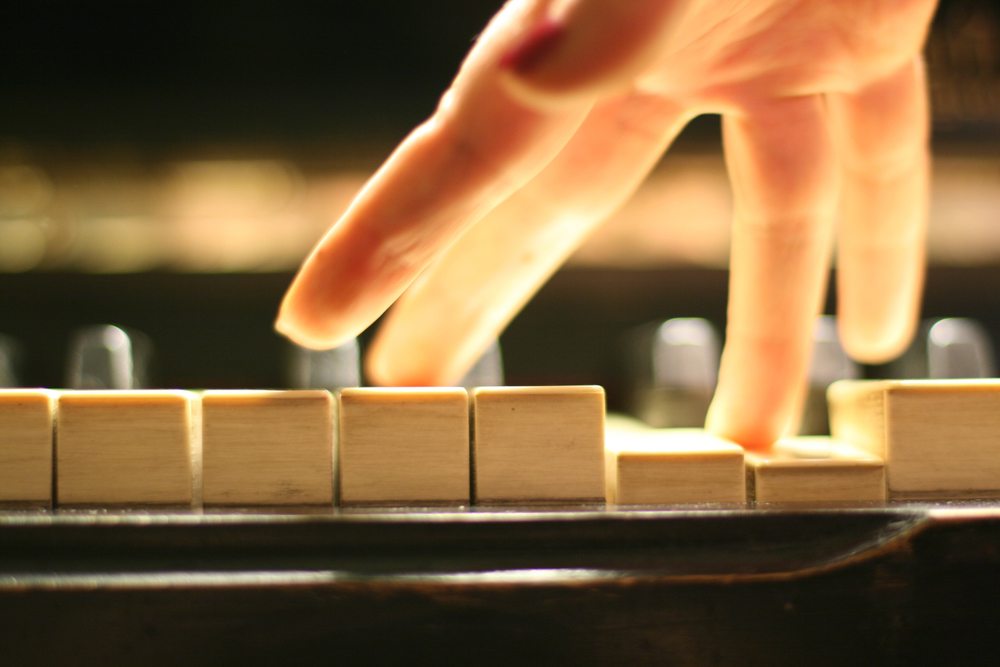
A Guide To Remove Yellowing From Your Piano Keys
There are quite a few things you may do when you wish to clean the yellow color from your piano keys. Every piano will begin to yellow over time, and it will be quite difficult to play the piano happily when it does not look attractive. Removing the stains from years of wear on the keys is quite difficult, and you must ensure you have taken time to follow each step on the list before cleaning. The piano itself will look quite lovely, and you will feel confidence when you drag your fingers across the keys for the first time.
#1: Lemon Juice Or Milk?
Lemon juice is often recommended, and you will find it helpful as you wipe down the keys on your piano. Milk is quite a bit more effective, and you must use milk as you would lemon juice. The milk has fats that will strip away any muck on the keys, and you may dilute it in a bit of water before dipping the rag you use to clean the keys. You cannot clean your keys with a damp rag, and you must ring it out before you begin cleaning. The keys will come clean quickly, and you will notice they are much whiter.
#2: How Long Does It Take?
There are quite a few pianos that have become so dirty they will not come clean, and it is impossible to clean them with one stroke of the rag. You will not see results unless you have wiped the keys down for minutes at a time. It may take up to 20 minutes to clean the keys, and you will find the stains are quite deep in the pores of the keys.
Ivory keys are incredibly porous, and they allow the dirt from the stains to fall in the cracks. You cannot dig them out yourself, and you must run over them more than once with milk or lemon juice as you clean. You may press down the key, and you will find more leverage as you attempt to keep it clean.
#3: You May Use An Ivory Scraper
You may use an ivory scraper when you cannot get the keys clean as they are. The stains may be heavy on the top layer of the keys, and you will find them much easier to clean when you may scrape them away. You have quite a lot of options once the scraper touches the keys, and you may see quite a lot of material come off the keys as you clean.
You may need to approach a professional about a scraper before you use it. The scraper itself is much easier to use when you have been taught how to use it, and you may scrape away the worst gunk before you clean the keys with milk or lemon juice. You will find the device quite easy to use, and you may keep it with your cleaning kit for any piano you use. Scraping the keys may be necessary when you run into an old piano, and you will find it much easier to play when it is clean.
#4: How Do You Know If The Keys Are Ivory?
You may check your keys for construction as you search for ivory. Ivory keys must be pieced together from multiple pieces of ivory, and you will find a split in the key where it was pieced together. A synthetic key has no split, and it will appear as though it is one piece of ivory. You may not see the split at first, and it is possible the dirt on the keys will cover it up. You are far better off using your tools to clean the keys a bit, and you will see the split if it does exist.
#5: Why Must You Be Careful?
Your piano comes clean in the same way a table comes clean. It has wood that cannot be pushed to the limit as it will begin to break down. There are quite a few people who will find it difficult to clean their pianos without applying a bit of elbow grease, and you must ensure you have thought quite hard about how you will keep the piano clean without damaging the wood.
The stain on the wood and the gloss on the keys will come off over time, and you will keep the piano in fine condition if you have planned to be careful with the instrument. An instrument that has been handled with kid gloves will look much better, and it will hold up even if you are practicing every day.
#6: How Often Must You Clean?
Cleaning your piano may be a weekly exercise that will ensure you keep the instrument as clean as possible. The piano will come clean far more quickly when you have a schedule for cleaning, and you will avoid the keys turning yellow in the future. You are removing every stain today, and you will not see the stains return in the future when you are on a schedule.
There are quite a few steps you may take to keep your piano clean, and each new step will ensure you are playing a piano that looks good as you sit down to play. You may clean up the keys with a combination of lemon juice and milk, or you may scrape the keys clean when necessary.
6 Hidden Features Of The Piano Keyboard
6 Hidden Features Of The Piano Keyboard Playing the piano has the ability to inspire, move, and excite the pianist as well as listeners. With an electronic keyboard, however, added benefits turn the instrument into something so much greater. It has high functionality, a lightweight design and is especially helpful to those first learning … Continued
6 Hidden Features Of The Piano Keyboard

6 Hidden Features Of The Piano Keyboard
Playing the piano has the ability to inspire, move, and excite the pianist as well as listeners. With an electronic keyboard, however, added benefits turn the instrument into something so much greater. It has high functionality, a lightweight design and is especially helpful to those first learning to play piano. It not only allows aspiring musicians to learn to play music quickly, but also encourages exploration.
When considering purchasing a keyboard, it’s important to remember that features will vary greatly based on the manufacturer, model and price of the instrument. Still, there are many benefits to electronic keyboards over digital and acoustic pianos. Following are six of my favorites.
1) Percussion
Developing a sense of rhythm is critical to becoming a good pianist. Electronic keyboards have a wide range of percussion sounds built in that can be activated by pressing a single key. Many offer up to 47 programmed percussion sounds. Additionally, a tempo control automatically generates the beats per minute and mid-range to high-end models even feature visual or audio metronomes so new pianists can learn to keep time as they learn how to play.
2) Sounds
Computer chips embedded into the electronic components of keyboards allows the user to interact with the menus and controllers. The feature allows the selection of various instruments, digital effects, and other types of features that enhance outcome. Many keyboards come with 128 electronic and acoustic instrument sounds and even vocal effects.
Specialty sounds include chorus, distortion, tremolo, delay, reverberation and even pitch bending. The sounds generated by keyboards can range from electronic organs to harpsichord and everything in-between. To make learning more fun and exciting, sounds can even be mixed to create something completely new. Unlike a regular piano, keyboard speakers are built into the system which allows for volume adjustment. They can also be used with headphones so only the musician can hear what they are playing.
3) Recording Feature
Recognizing your own strengths and weaknesses is essential to improving skills. With the self-recording feature on the newer keyboards, it has never been easier. Whole songs, single lines of music, and the blending of songs can all be accomplished with the recording program. One function that is found in some models is the Musical Instrument Digital Interface (MIDI) function.
The feature enables the keyboard to be directly connected to another source such as a PC computer or 2nd keyboard. The result is the ability to play a keyboard directly through a computer system or to even download a song onto a flash drive to be transferred to a computer at a later date. In that way, the computer can be turned into a recording studio.
4) Touch
Acoustic pianos have what are called weighted keys in order to ensure the correct hammers strike the appropriate key strings. Digital pianos now come with keyboard actions such as semi-weighted, weighted, hammer and graded hammer action, etc. to ensure that the pianist has an instrument that is comfortable yet prepares them for an acoustic model as skills improve.
Electronic keyboards, on the other hand, either come in soft touch keys in the least expensive models or levels that can be set for key “hardness” as found in mid-priced to professional level equipment. Based on the setting, the resistance to touch as well as loudness are impacted. In the higher-end models both a change in volume and timbre can be achieved because sound is generated in chordophones that react to how hard a key is pressed. Several samples of an acoustic note can also be generated per key through the same system so that inexperienced pianists can determine the setting they prefer.
Another area where touch is important is in what’s called polyphony or the number of notes that the instrument can generate at a single time. The benefit is that it allows for smoother and more natural transitions between notes as well as enhances the music played.
For the least expensive option only 24 to 32 notes can be played at one time whereas in more expensive models up to 128 notes can be played. What that means is that the keyboard can be set to replicate several instruments being played at the same time to generate the sound of an orchestra or band.
5) Optional Accessories
One of the best things about electronic keyboards is the fact that they can be enhanced with accessories that can be purchased as skills increase. Although the following list is not inclusive, here are a few of the most popular.
* To increase the desired sound beyond what the keyboard is capable of generating the system comes with output jacks that enable an amplifier to be easily attached. It is especially popular when musicians begin playing at clubs, amphitheaters or at other types venues.
* When carrying a keyboard from place to place a hard-shell case is essential. If lessons are given at home and/or the instrument never leaves the residence, however, it can be protected with a dust cover or appropriately sized bag.
* When playing an acoustic piano one of the pedals pressed with the foot allows notes to be sustained for longer than the key is pressed. The sustain pedal that can be purchased for a keyboard works much the same way allowing the notes to continue playing for longer than would otherwise be expected.
* Due to its lightweight and compact size, playing an electronic keyboard while it is on your lap is fairly easy. For larger more advanced models, however, elevation and stability can be achieved with a stand designed to hold the instrument securely. For many musicians a stool is also preferred over standing for prolonged periods of time especially during a performance.
6) Price
The moderate range of prices and the smaller size of the digital piano makes it more convenient and affordable than their acoustic counterparts. A keyboard that is electronic, however, is a cost-effective synthesizer that utilizes small speakers and a built-in amplifier.
As such, it can recreate sounds made by organs, violins, pianos, and a number of other instruments with synthesis that is less complex. Prices can range from under $100 to over $700 depending on the features included in the machine and manufacturer.
Even if someone taking up an electronic keyboard isn’t sure they will make a long-term commitment on continued use, it is the springboard for all other instruments. According to Plato “music is a more potent instrument than any other for education” and educators and researchers agree. Although music benefits children most through cognitive development, adults can also benefit in that the brain learns to work differently through music.
The purchase of an electronic keyboard has many advantages in that technology has developed to such a point that even entry level models now come with features that make learning to play an exciting adventure. By speaking with a knowledgeable representative, like those I work with at Cooper Piano in Atlanta, GA, the full range of features and characteristics that best fit your needs can be found.