


The Schimmel C213 Semi-Concert Grand
The 7ft Schimmel C213 is one of our favorite pianos here at Cooper Piano, and for a good reason. By embodying some of the more cutting-edge features of the Konzert series, the C213 marries innovation and tradition, creating a piano in a league of its own. And when you factor in how much it … Continued
The Schimmel C213 Semi-Concert Grand
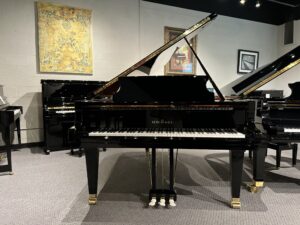
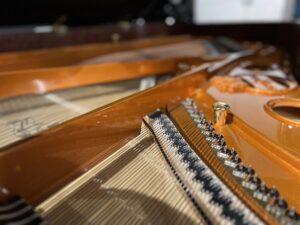
The 7ft Schimmel C213 is one of our favorite pianos here at Cooper Piano, and for a good reason. By embodying some of the more cutting-edge features of the Konzert series, the C213 marries innovation and tradition, creating a piano in a league of its own. And when you factor in how much it costs, it ends up being a no-brainer when you compare it to other German made pianos.
One underappreciated aspect regarding the Schimmel Konzert and Classic series is that they are members of the Bundesverband Klavier Group (BVK for short). According to German Law, the standards for a product to have a “Made in Germany” sticker require a majority of “labor cost” to be spent in Germany for the product to qualify. That means a product can be made primarily elsewhere with significantly less labor cost but finished in Germany. For example, it’s like having a knife manufactured in China but sharpened in Germany. Because the labor cost to sharpen the knife is higher than the cost to make the knife, the knife is now “made in Germany.” It’s all incredibly bizarre, but Schimmel being a member of the BVK ensures that the buyer knows exactly how much the product is made in Germany, which in Schimmel’s Classic series case, is all of it. Concerning the Classic and Konzert lines, Schimmel keeps everything in-house at their home factory in Braunschweig.
If you are curious about the BVK group, we included a link below for further reference, but be warned, Schimmel still needs to be added to their website. However, if you want proof that the piano in question is BVK affiliated, you can contact us to see the official documentation.
https://www.pianos.de/?lang=en
Schimmel’s “Computer Assisted Piano Engineering” software, or CAPE for short, is perhaps the most cutting-edge technology in piano design in the last century. By providing extreme consistency in manufacturing and innovation in features, CAPE changes how pianos are designed and made, making for pianos that play perfectly out of the box. We will examine the influence of CAPE’s design in the specs below.
Let’s talk specs.
The C213 has a AA Grade Bavarian Spruce Soundboard. For people who don’t know how grading works in Spruce or wood generally, rest assured that it has very little to do with sound when graded this high. The grade has more to do with the cosmetic aspects of the wood than anything else. So if you are looking for that ostensibly perfect AAA-grade spruce soundboard, the Schimmel K219 would be the equivalent piano for you, but we recommend something other than the grade of Spruce be the deciding factor.
The Rim is made predominantly of Beech. Beech is a very typical German wood used for Piano Rims. In fact, German Steinways made in Hamburg used Beech until just recently moving to Maple. It’s strong, reliable, and consistent in terms of projection and stability.
The keys are a fascinating facet of this piano model. The “Klaviatur Key” is remarkably similar to ivory but is smoother and more consistent since the material is not organic-based. These days we see a lot of mineral-style keytops in rebuilders using products like Kluge’s “Tharan” or Elforyn’s “Super Tusk.” However, most piano builders (Steinway, Yamaha, Bosendorfer. etc.) still use acrylic-based keytops for their new instruments. That may change in the coming years, but Schimmel leads the charge in this respect.
The key length for these pianos is some of the most extended keys in the industry. Schimmel claims that the C213 has the same key lengths as their flagship concert grand, the K280. That would make the keys in the C213, with the exception of the K219, the longest of any 7ft piano. We are seeing a trend with many piano builders moving to a longer key stick. We suspect it makes for a more consistent touch in the manufacturing process, but we are unsure. Regardless, the feel of these keys speaks for itself.
Let’s talk about the action. The C213 is equipped with a CAPE-designed Renner-made action. Typical hornbeam wood is used for the action parts with a beech hammer core resulting in a low action ratio. For those who do not know what a “low action ratio” means, the touch is very light but uses slightly more key dip than other action ratios. However, a low action ratio means they can use heavier hammer cores like Beech instead of the typical “high-end” lighter hammer cores like Mahogany or Walnut. It is important to note that using Beech is incredibly cost-effective and just as suitable as the “nicer” hammer core woods when appropriately regulated.
The CAPE design bridge for the Classic and Konzert grands is a unique feature not found in other piano builders. For those unaware of what a bridge is, the piano’s bridge is a piece of cut wood (either Beech or Maple) providing a termination point for the string in the back of the piano. The bridge transfers energy from the vibrating string into the soundboard, making it an essential part of the piano anatomy. Schimmel sees how important the bridge is, so they decided to take a closer look at how they are designed. With the help of CAPE, they have developed a new design that slightly hollows the center, making for a more efficient energy conduit while increasing structural integrity.
The tone of this instrument is “bell-like.” Usually, with brighter pianos, the sustain in the treble decays quickly, leaving much to be desired. Staying true to its roots, Schimmel has tailored this bell-like style since its founding, leaving a tone that sings with a long sustain. It’s a brilliant tone that is incredibly German but uniquely Schimmel and worth hearing in person.
In summary, the touch and tone of the C213 provide a playing experience that demands more from the player. Unlike warmer pianos, there is nowhere to hide in the tonal texture of the piano when trying to articulate, and that’s incredibly important when choosing a piano to either learn or continue professional development. It gives back what you put into it, which is rare for a German made piano in this price range. Please consider scheduling an appointment with us to see the C213. It’s one of our favorites for a reason, and we would love to show you why.
What do I do when my child doesn’t want to practice piano?
How To Encourage Your Kids To Practice Piano Put Piano Practice Before Playing Sometimes, kids don’t want to do what’s best for them. Instead, they want to play computer games or text on their phones. This when you need to limit how much free time the child has and put the focus back on … Continued
What do I do when my child doesn’t want to practice piano?
How To Encourage Your Kids To Practice Piano
Put Piano Practice Before Playing
Sometimes, kids don’t want to do what’s best for them. Instead, they want to play computer games or text on their phones. This when you need to limit how much free time the child has and put the focus back on music. Eventually, your child will learn the importance of priorities and why they need to put piano practice before everything else. When I started learning how to play the piano, I had a few distractions of my own. However, thanks to discipline I was able to focus on music and future.
Make Piano Practice A Daily Routine
In order for your child to keep up, you are going to have to make piano practice a daily activity. Practicing every once and a while is an easy way for children to forget what they just learned. In fact, many experts believe it takes at least 10000 hours practicing something before a person can finally master it. Piano music is no exception to this rule. Take at least an hour so out of every day for the keyboard.
Let Them Take A Break Once And A While
While it is important to make piano lessons a daily activity, there is a need for relaxation. Trying to juggle school and music, your child may find the routine exhausting and end up burning out. Set a limit to how long your child will practice playing piano music everyday. Trying to practice for multiple hours is almost certainly going to exhaust him or her. Instead, keep practice time at an hour or under. On the weekends, keep practice at a minimum. You don’t want your children losing the ability to handle other responsibilities like school or chores.
Help Them Link Music To Success
The lessons children learn from music lessons are lessons they can apply in other areas of life. For instance, some research has shown a correlation between musical talent and mathematical ability. Learning how to play the piano requires discipline and determination as well. Those are lessons they’ll use anywhere they decide to go in life. Make sure your children understand how important this lesson you are trying to teach them is for adulthood. Children understand they need to think about their futures and plan ahead. Connecting piano music to success in their careers and academics will encourage them to study.
Consider Hiring A Piano Teacher
Some people are able to learn how to play piano music by themselves, but most people will need the help of music teachers to understand how to play. Even the best piano players may have had a few problems in their past. I’ve even had some challenges of my own at times. Fortunately, finding a music teacher is easy in the Atlanta, George area. Cooper Piano will give your child all the help they need to master the piano.
Mix In Some Pop Culture Tunes
Piano music is a classic instrument, but there are plenty of popular songs on the radio using piano music. When young piano students hear their favorite musicians playing the piano they’ll want to imitate them. During music lessons, use popular songs as examples to inspire them to learn. Even songs that do not necessarily have piano music in them are easily converted into songs you can play on a keyboard. Learning to play an instrument is fun for kids, and letting them play songs by their favorite musicians adds to that.
Connect History To Their Piano Music Practice
Atlanta has a long and storied history of creating trends in music and establishing new musical genres. Use this rich history as a chance to inspire kids by helping them understand the connection between piano music and Atlanta. Some of the first lessons I learned from playing the piano were blues and R&B pieces from the early 20th century. You can even go further back into the history of the keyboard itself and teach them about the ancestors of the piano. This history lesson will also help them understand how piano music has developed over time and how famous pianists have mastered the art of piano music over time.
Let Them Compete Against Other Piano Players
Some kids are naturally competitive and they’ll want to test their skills with the piano against others. Look for any local piano contests for youth to help them use the competitive spirit. The other kids playing the piano will help them accept the idea that other kids are also learning how to play the piano too. They can meet others who have the same hobbies they have and form friendships. Ultimately, your kids will see piano practice as a way to bond and grow as an individual.
Use Piano Lessons To Help Them Enroll In Their Favorite College
When kids start applying to colleges, their extracurricular activities are going to stand out. Any school that sees your child has piano music as an extracurricular activity will certainly take that into consideration. In fact, there are even scholarships for students with musical talent. Remind you kids that the piano music lessons they learn can help them in the college application process. Learning how to play music is such a challenging and rewarding experience that even with a few marks on their grades they’ll have priority over other students who do not have any extracurricular activities on their applications.
Make Playing Piano Music A Family Tradition
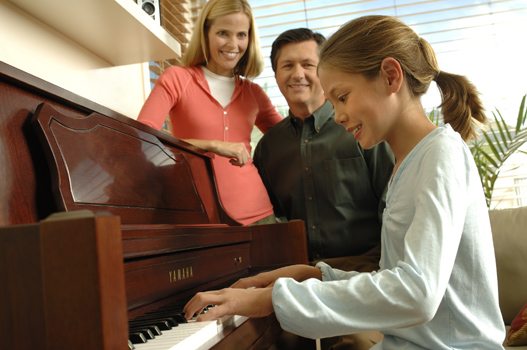
One of the best ways to help your kids learn how to play the piano is to try to learn how to play it yourself. The music lessons you can find at music stores, such as Cooper Piano for example, are available for adults as well. When kids see their parents joining in, they tend to take their lessons more seriously. You’ll have a new hobby of your own and your kid
Where To Place Your Piano, And Why
Where to Place Your Piano and Why If you just purchased your first piano or looking to rearrange your room; piano placement is of utmost importance. It’s important to know where not to place the piano as well as where it will be of best use. There are many factors that affect your choice including … Continued
Where To Place Your Piano, And Why
Where to Place Your Piano and Why
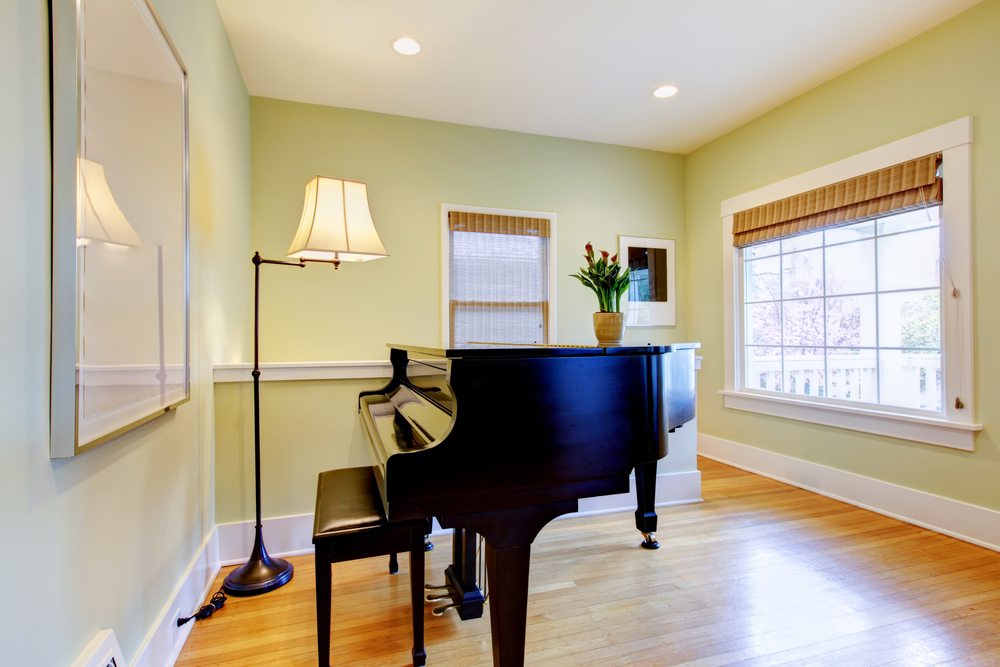
If you just purchased your first piano or looking to rearrange your room; piano placement is of utmost importance. It’s important to know where not to place the piano as well as where it will be of best use. There are many factors that affect your choice including weather, acoustics, and audience.
One of the worst places to place your piano is in a dark, warm or moist room (think basement). The mix of dark, warm and moist is the perfect way to grow mold. The last thing you want in your piano is mold. Mold will weaken the wood and can negatively affect the health of those living in your household, including your pets.
Any room that has humidity levels that fluctuate constantly is also a very bad idea. It will cause the wood in your piano to fluctuate changing the sound of your piano over time into a not so pleasant tune. Be sure not to open the windows near your piano. Windows let in moisture which will affect the humidity in the room. Consider purchasing a hygrometer to keep track of humidity levels. A humidifier (or dehumidifier) and help keep things stable!
Besides humidity you will want to avoid placing your piano within 10 feet of any fireplace. Fireplaces let in moisture when they aren’t being used if it isn’t properly insulated. Fireplaces also dry out the wood and increase heat in the room causing the wood in the piano to fluctuate as afore-mentioned. You will want to avoid any smoke near the piano (that includes cigars and cigarettes). Placing a rug under the piano will help keep the piano safe from cold hard floors such as tile or cement. You will want to keep the temperature in the room between 70° F – 72° F.
One last thing people rarely consider is having the piano on an upper or lower floor; this will increase your bill with the moving company especially if the stairwell or walkway is extremely narrow in comparison to the piano.
The best room for your piano depends on the type of piano you have; a bright piano or a mellow piano. A bright piano has high-pitched sounds; in this instance you will want to place lightly absorbent items around such as carpets, and soft wall hangings. This will balance out the sound and make the acoustic of the room more pleasant to the ear.
If your piano has a mellow sound, try hard wood floors and hard surfaces. The great thing about area rugs is they are able to be added and removed as needed for the sound of your piano. Do keep in mind the things you have on your walls or shelves; if items vibrate or move easy you will want to make sure to stabilize them to make sure nothing gets damaged while playing your piano.
The center of the room, if possible, is the best place for your piano. It will keep it away from windows and drafts from opening and closing doors. It will also cut the amount of sunlight hitting the piano during day hours. The center of the room has the least fluctuation in moisture and air and provides the best conditions for your pianos performance.
Another reason to consider is where will you be most comfortable playing? If you feel cramped or have no elbow room you will be less likely to practice playing. Be sure to place the piano in a place where you have room to stretch out and really get into the music. Be sure to also put the piano in a place where you can turn on some dim lighting so you can see what you are doing. Also, is the piano in a site that will upset your neighbors? The last thing you want to do is play if you feel you will upset or anger your neighbors.
When it comes to electric keyboards the same information applies except you will have a lot more flexibility as to piano placement. An electric keyboard is typically much more compact and will easier to move around the room or have it permanently placed somewhere. Be sure not to place the keyboard on any rickety surfaces that might cause the keyboard to fall or break and avoid placing the keyboard under shelves that could fall on top of it in the case of an earthquake, tornado or other natural disaster.
Consider an interior wall. Placing the piano on an exterior wall will cause major fluctuations temperature due to the weather or season outside of your home. Interior walls make it easier to control the environment your piano is in.
In conclusion, avoid drastic weather changes, moisture and excessive heat or cold, put your piano in a place that won’t upset your neighbors and make sure it’s a place where you will be comfortable and want to play. Playing the piano is a rewarding activity that will boost brain power, build confidence and enhance your love of music. The be sure to obtain all the benefits of piano playing make sure you have your piano in a place where it will be most successful.
Different Pianos For Different Players
Not all piano players need a Bosendorfer (thank heaven) If you’re thinking about buying a piano for yourself, your kids or just to have for the whole family to use, then there are a multitude of things to consider. First off, you should realize that buying an acoustic piano is a serious investment on the … Continued
Different Pianos For Different Players
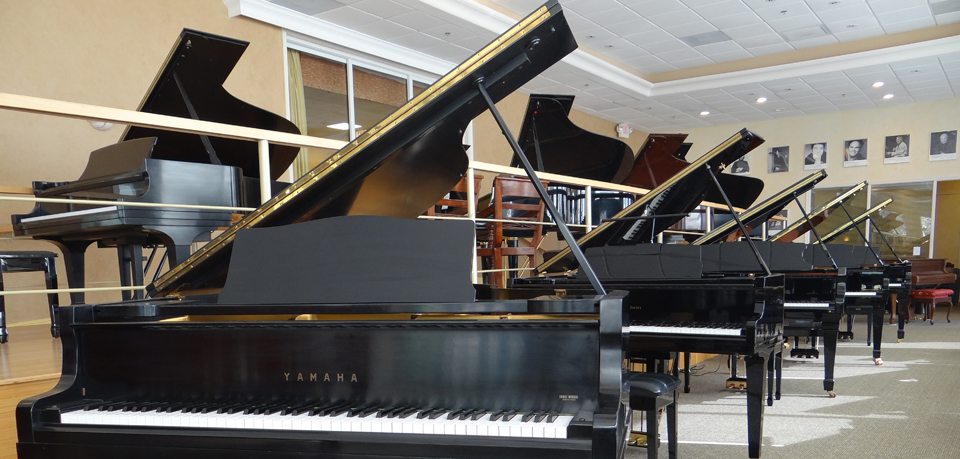
Not all piano players need a Bosendorfer (thank heaven)
If you’re thinking about buying a piano for yourself, your kids or just to have for the whole family to use, then there are a multitude of things to consider. First off, you should realize that buying an acoustic piano is a serious investment on the order of buying a new car, and you should treat it accordingly. Like in buying a car, doing as much research as possible, test driving and knowing ahead of time exactly what it is you need are all imperative to being a satisfied buyer.
If after careful deliberation you decide that a grand piano really is what you’re looking for, there’s good news. Unlike buying a car or boat, most grand pianos can hold their value phenomenally well. A well cared-for Yahama C7 or Steinway Model B won’t just last a lifetime and then some, they’ll often be salable for nearly as much as their original sticker price. This can be even truer with respect to used pianos. Unlike some other big ticket items, used grand pianos will often be as good or in some cases, even better than their brand-new counterparts.
Still, there is a lot to consider and for many people buying a top-of-the-line grand doesn’t make much sense. While grand pianos do hold their value remarkably well when properly maintained, not properly caring for them can be utterly ruinous to the instrument. For those with small children or limited space, a grand piano will often not be the best option.
What’s more, even for seasoned musicians, acoustic pianos are not frequently the optimal choice. In fact, more often than not, a grand piano is a luxury item best indulged in by those who can treat the instrument as any other high-end piece of furniture, even for those who will be frequently playing it. Extreme care in a climate-controlled setting away from any potential sources of trauma for the life of the instrument is a good rule. One smashed bottle of soda from a carried-away niece or nephew can turn into a $20,000 bill.
Broadly speaking, there are three categories of keyboard instruments which roughly correspond to price range, although there will be considerable price-point overlap at the extremes. The categories are electronic keyboards, upright pianos and grand pianos. Let’s take a look at the pros and cons of each category.
Buying an electronic keyboard
As late as the year 2000, owning an electronic keyboard had enough drawbacks that it often wouldn’t have been the first choice of serious students or professionals. Keyboards from the mid-90s, even those from top brands like Yamaha, had weak sampling, poor action and often ran into the $2000-plus range, adjusted for inflation. If you wanted to get an electronic keyboard like Yamaha’s top-end Clavinova line, you would have been shelling out $10-15 thousand dollars. While those pianos were arguably as good if not superior to acoustics in that price range, there were clear trade-offs as well. Keyboards were not clearly a better option.
Sometime around the mid-2000s that began to change. The sampling became far better. Speaker technology advanced, giving the small internal speakers incredible clarity and projection. Over the last decade this progress has only hastened.
Today, owning an electronic keyboard is by far the best option for a wide swath of the piano-playing public. Consider just some of the benefits of opting for an electronic, rather than acoustic piano:
- An electronic piano never goes out of tune
- The initial purchase price is a tiny fraction of an equivalent acoustic piano
- Modern sampling is incredibly good and has the genuine sound and feel of a grand piano
- Volume can be turned down or headphones can be worn for playing at all hours and all situations
- Most electronic keyboards are much lighter than older models. This makes them highly portable, a great asset to a gigging musician
The list could easily go on. Of these items, the ones which are probably most relevant are the initial cost and the portability. It’s possible to get a very good, slightly used electronic piano on Ebay for less than $500. Not only will this instrument have many different and extremely realistic sounds, the grand piano sound on the keyboard will often rival that of acoustic instruments, at least much more so than in years past.
Portability will become a huge concern for anyone who has aspirations of playing for money. Trust me, if you know you are truly interested in music you will eventually want to play out. When you gig you’ll need a keyboard, not an acoustic piano. A lot of keyboards will pay for themselves within a few gigs. If you’re a serious musician who currently has neither a piano nor a keyboard, it’s really a no-brainer. Get the keyboard.
Buying an upright acoustic piano
As a musician it somewhat pains me to say this, but there just aren’t a lot of compelling reasons to buy a mid-range acoustic piano. However I will give you two of the best reasons. First, even with modern keyboard technology, which is incredibly good and has made quantum leaps over the last 20 years, the sound still just isn’t the same.
All acoustic pianos have a certain vitality, a life-like quality to their sound that almost defies description. This is rooted in the fact that the entire instrument is involved in the production of sound, not just the strings and sound board. A solid upright piano like a Yamaha YUS7 will have an exciting, engaging sound that you just don’t get from a keyboard.
The second reason is that an acoustic piano, like grands when properly cared for, will largely hold its value. Keyboards’ values generally plummet quickly after purchase.
Buying a grand piano
Despite all the great benefits of buying an electronic keyboard, there still is no substitute for owning a high-end grand piano. If you can afford it and you can handle the responsibility of properly maintaining it, buying a 7 to 9 foot grand piano should absolutely be your first choice.
There simply is no comparison between playing a concert Bosendorfer versus even a top-end Roland keyboard. With all the modern sampling and advances in computation, electronic pianos still can’t touch an acoustic grand. For a musician, playing a fine instrument like a Steinway or even Yamaha C7 is almost like a drug.
However, expect to pay $50 thousand or more for a good grand piano. Going much cheaper is not recommended unless you really know what you’re doing. Trying to cut corners and spending $10 thousand on the kind of piano that should cost $50 thousand will more often than not turn out to be getting a cheap piano for an expensive price.
Where to Look for Used Pianos
Where Should You Look Used Pianos? You may search for used pianos in a number of locations, and each new location offers a wealth of instruments that you may purchase personal use or large groups. This article explains how you may find a used piano of note, and you will quite enjoy the piano you … Continued
Where to Look for Used Pianos
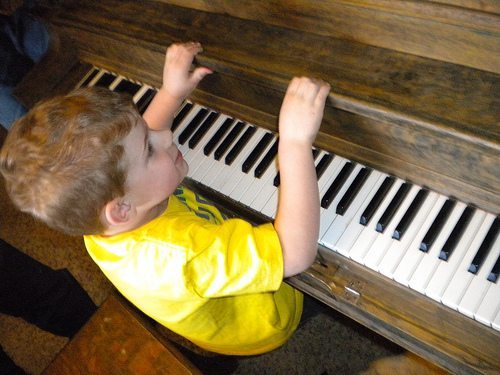
Where Should You Look Used Pianos?
You may search for used pianos in a number of locations, and each new location offers a wealth of instruments that you may purchase personal use or large groups. This article explains how you may find a used piano of note, and you will quite enjoy the piano you purchase. You may find a piano that will serve your needs, and it need not be the cheapest piano on the block.
#1: Used Pianos Are Often Sold By The Owners
Owners often sell their pianos after years of faithful service, and they will sell their pianos for fair prices as they wish for them to have fine homes. The pianos you may find in homes around the area will be in lovely condition as they were sitting in a home with a loving family. and the piano will come to you having been played many times in the past. Buying from the owner offers you the assurance the piano was maintained well, and you will find it quite simple to test the piano by visiting the house.
Ask to visit and play the piano when you have found it, and you may have a lovely conversation with the owner when looking over the piano. The piano you purchase has a negotiable price, and you will find it quite simple to talk over a price for the piano when you visit.
#2: Purchasing From Churches
There are quite a few churches who sell their pianos after many years of use. The use the proceeds to purchase new pianos, and you will take on a lovely piano that was cared for by the church, its people and its tuner. You will find church pianos have been used quite a lot, but they are handled properly by everyone who uses them. You must ensure you have asked how long the church owned the piano, how they used the piano and you may speak to the person who played it the most.
Purchasing from churches is often helpful as you will find delivery simple. The church will help you arrange for delivery, and they will have quite a few people willing to help you move the piano to your home or other location.
#3: Purchasing From A Licensed Dealer
Licensed piano dealers have stores of used inventory, and they sell their used pianos after servicing them. They service and tune the pianos to bring them up to the finest condition possible, and the pianos are sold for lower prices. You may purchase the brand you prefer, or you may choose a piano that is helpful given your personal needs. You know that you need an upright, studio, baby grand or grand piano, and a used piano dealer will ensure you walk away with a piano you will enjoy.
The pianos you purchase have been cleaned inside and out, and you will find it quite simple to maintain the relationship with the dealer after you purchase the piano. You may speak to them about service and repair for the future, or you may ask them how they would service the piano for the future.
#4: Check Auction Sites
You may check auction sites as the sellers are often willing to part with their instruments for less money. You may bid on a piano that will remain low in price, and you may find someone who is auctioning in your area. The auction site is simple to follow, and you may check back often for more pianos.
You may find an auction site that will help by selling pianos by category. The category you choose will help you narrow down to grands, baby grands, uprights and studio models. You may trim the search quite a lot before you begin bidding, or you may find a site that sells only instruments.
#5: Shop With Major Music Stores
The largest music stores in the country carry a selection that is beyond anything you may have seen in other locations, and you may shop through several different pianos that are offered by the chain. They have a special order catalog that offers them access to the manufacturers, and they may place special orders for you. The orders you create will send beautiful pianos to you that will be of the highest quality, and they will have an appearance that you will quite appreciate. There are several different companies with large music stores around the country, and they will offer pianos that are priced to sell.
#6: Online Bulletin Boards
There are several different bulletin boards online where you may purchase a piano as locals list on the sites, and they will offer low prices to move the pianos. They are willing to meet with you, and they will reach you much more quickly through the bulletin board. You may schedule an appointment with the owner, and they will meet with you when you are ready.
It is quite important you start your search for a lovely piano that is used. A used piano is quite simple to purchase, and it will ensure a lifetime of lovely music. The pianos are fantastic, and they may be maintained with help from the seller. Your new piano will serve your family well, and you may purchase the piano from a place that helps you save money. The savings you find while shopping make buying a piano an affordable and worthwhile opportunity for the family.
Rekindling the Joy of Performing Music
Rekindling the Joy of Performing Music Music is a beautiful facet of life, integral in popular culture, emotional communication, and exemplification of mental prowess. An invention of our ever-inspired ancestors, music gathers together all people, highlighting commonality through tonal ties that bind. These wonderful blessings open a new realm for many an individual, and … Continued
Rekindling the Joy of Performing Music
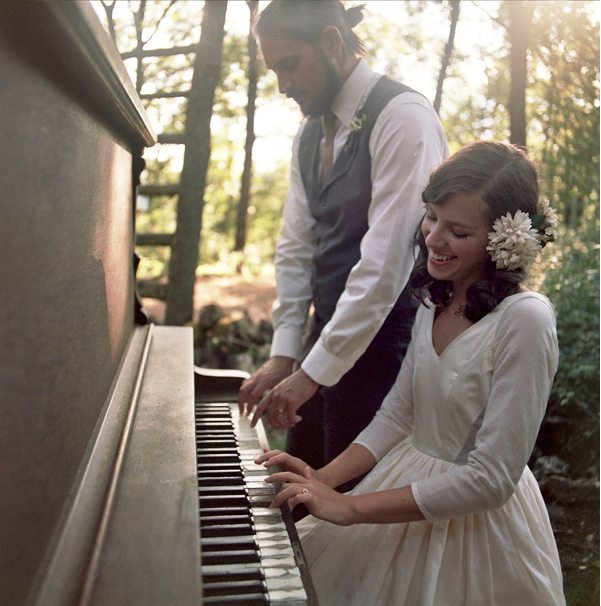
Rekindling the Joy of Performing Music
Music is a beautiful facet of life, integral in popular culture, emotional communication, and exemplification of mental prowess. An invention of our ever-inspired ancestors, music gathers together all people, highlighting commonality through tonal ties that bind. These wonderful blessings open a new realm for many an individual, and do so with unique elegance. In fact, it is one of humanity’s first hobbies.
A beacon of true joy and light in the often dark history of our forefathers. As we have evolved with it, it is a critical aspect of our ever-changing lives. And just as we have evolved, instruments have followed to represent technological ages. Beginning from humble drums and pan-flutes, humanity spiraled out in classic innovations, eventually providing the world with the gift of piano. While people stray afar from wonder of music as life’s trivialities intercede, piano playing is an unforgettable nuance in life’s journey, which no one should have to lose.
If this wonderful blessing opened the musical door for you in the past, it only takes one step to reignite your passion.
Once learned, you can never really forget how a piano feels. Recall the wide range of triumphant tones you once knew and loved. Imagine the incredible touch-sensitive feel of stroking the keys, creating soft swooning to hard hammering with the slightest shift of weight. Picture the keys, ebony and ivory in perfect contrast arranged in the unforgettable pattern, controlling the hammers that create a bell-like beauty of a sound. Remember the grain of the real wood in the structure itself, cascading in the proper light. It is intuitive as well as satisfying.
Even tantalizing. A beautiful synergy of nature and innovation. A chamber of sonic pleasure just waiting to be opened and enjoyed. The piano beckons for use, and while it is easy to let life sweep you away, it is too short to leave music behind.
Whether memories of being a young student, domestic demonstrator of majestic talent, or concert hall performer dominate your mind, the piano-playing experience is uniquely unforgettable. Watch the joy on your friends and families faces after a proper performance. This wave of emotion provides pleasure so powerful, that it reminds us the very nature of human potential. Music is truly a gift, handed to us by our ancestors, even deeper than humanity, from swan songs to tree-top orchestras, it is impossible to avoid.
That is how it should be, as these tones are evolutionarily ingrained in us, enhancing our awareness of being. Furthermore, as time has passed and new instruments have been developed, it has come to represent technology and culture.
The joy of music speaks volumes about time. It is the determining factor which defines the style of generations in unique expression. From throat-singing monks to cool jazz cats and rebellious rockers, music has intertwined itself with culture through media. In this exhilarating two-way road, music is affected by culture as it helps to mold that very culture.
So, in a weird, pseudo-anthropological way, reigniting your passion can help you explore the rich history that generation after generation has humbly provided.
As you dive into the various modal interchanges of great jazz tunes, or scale through simple rock, you immerse yourself into the times. Styles, moods, and even methods of thinking can all be explored through the touch of a key, a scale away. And as all piano players know, the instrument is incredibly flexible in its multitude of stylistic capabilities.
There is a reason that many of the late, great composers of history began their musical journeys on the piano. It is both accessible and elegant, it provides for both rhythm and melody, and finally, it is unforgettable. Just sitting on the bench behind your keys will remind you of your lost love.
Just as a craftsman is behind his table, or a rider on the saddle, piano is one of those nuances that defines our life outside of the weight of work. Luckily, you still have time to bring piano back into your lifestyle.
Music is truly a gift from nature which, once opened, will never leave its players. Music is a beautiful language, allowing for utmost emotional expression. It is an outlet of creativity and relief, simultaneously. Many of the worlds great philosophers have claimed that life without music would not be life at all. This is a certain, time-tested truth.
Music is the sonic embodiment joy, but not the standard joy one might feel from a fine wine or today’s shallow media saturation. Music is timeless, allowing us to directly connect with a deeper part of ourselves. It is unique, with a statistical range of possibilities so wide, that mankind continues to innovate, even when it seems that all has been done. It is the representation of the variety of life itself.
Common Piano Beginner Problems
Common Problems Beginner Pianists Encounter I have met quite a few beginner pianists, and they have issues that are often easy to avoid. They simply are not immersed in the piano culture as they should be, and this article explains each problem as I have seen it. A new player may fashion a practice routine … Continued
Common Piano Beginner Problems
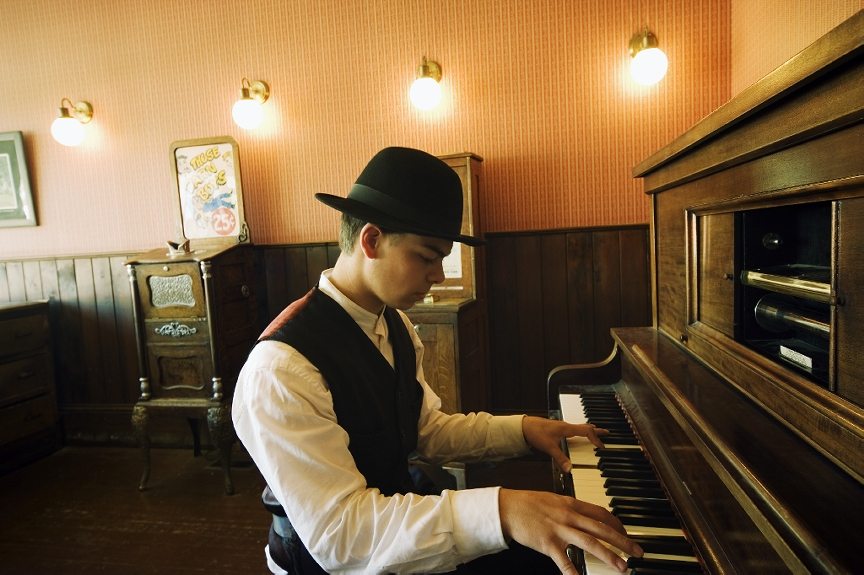
Common Problems Beginner Pianists Encounter
I have met quite a few beginner pianists, and they have issues that are often easy to avoid. They simply are not immersed in the piano culture as they should be, and this article explains each problem as I have seen it. A new player may fashion a practice routine and schedule that allows them time with their piano, and the instrument becomes a new friend they may revisit for the rest of their lives. There is nothing stopping you from playing the piano, and you must not allow the piano to become a burden. The piano is a lovely instrument that will bring you years of happiness.
#1: Learning Slowly
Players often have a difficult time as they begin because they cannot learn as quickly as they may like. The best musicians in the world admit the piano is a difficult instrument to play, and you will do well to learn as slowly as possible. You cannot become a proficient player in a few weeks, and you cannot learn all the music you want in a short period of time. The fastest learners in the world will not move as fast on piano, and you need a bit of patience as you learn.
#2: Fine An Instructor
You must find a teacher who will meet with you once a week to help you learn the instrument. Teachers are found around the city, and you may meet a college student who thinks on your level, an old lady who will be quite kind or someone in your neighborhood who plays here and there. Having a teacher to guide you will make the process much simpler, and you will learn quite a lot from your teacher in the form of small techniques that make the instrument better.
#3: You Do Not Need A Serious Piano
There is no need to purchase the nicest piano you find when you learn to play. The simplest of pianos will help you learn to play, and it will serve you well for life. There is no need in the world to purchase massive piano unless you become quite a serious player. I have seen quite a few new players become too wrapped up in buying a new piano, and their new piano purchase overwhelms them as they learn to play the instrument.
#4: Practicing Regularly
Players have the hardest time remembering to practice because it is a task that is difficult to carry out in a short period of time. The finest musicians in the world are on a practice schedule that sees them playing at roughly the same times every day. They stay with their practice schedule because that is the only way they may improve their playing.
You may do the same in your home as you schedule time to practice every day. A half hour of practice will do wonders for your playing, and you need not practice more unless you feel moved to do so. The most serious players will put in quite a lot of time as they learn, and you may choose to do so at any hour. Practicing early in the morning may help you prepare for the day, or you may choose to practice in the evening after a long day of work.
#5: Listening To Diverse Recordings
New musicians often have quite a difficult time listening to diverse recordings as they play. They have fallen in love with a song or artist, and they do not stray outside either one as they learn the instrument. You are wise to listen to quite a few artists as you learn to play, and you will note how each player is quite different in their style. Players have their own opinions on music, and you may hear their opinions in each recording.
#6: Sharing With Others
Pianists are often afraid to play for others, and it is understandable that playing for a crowd may be scary. The idea of playing publicly is one thing that may not be broached, but players must play for someone they trust. Bringing a friend over to the house to listen will improve your confidence quite a lot, and I have seen friends come in to purchase pianos glowing about how well their friend plays.
The piano world is a large one, and you must bring as many people into the fold as you can. Each person who gets to hear you play will be proud of you, and they will support your desire to learn the instrument. They may help you find your first gig, show you new songs and listen to your favorite artists.
#7: Choosing A Genre
Pianists often have quite a difficult time as they choose a genre they never leave. They are quite interested in playing the music they fell in love with, but they may not play anything else. I encourage all players to try as much music as they can find, and I ask them to listen to every piece they find before they learn it. The combination of listening and practicing will ensure players have a wide base of knowledge on the instrument.
Players who come to the piano brand new may take each piece of advice listed above to hear before they begin their journey on the instrument. The instrument is a world of wonders, and it must be treated with a level of respect.
How To Choose The Best Piano For Your House
How To Choose The Best Piano For Your House Often times the image of a piano fitting in a room brings to mind well-aged cartoons with ridiculous ends. Sometimes with a piano falling on the villain’s head. Perhaps it brings to mind a fabulous ballroom with a gleaming grand piano sitting in the center of … Continued
How To Choose The Best Piano For Your House
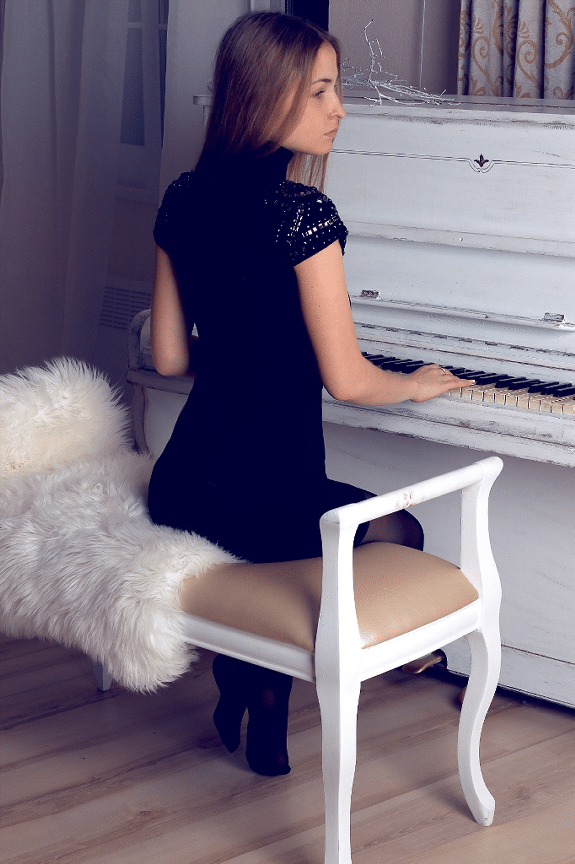
How To Choose The Best Piano For Your House
Often times the image of a piano fitting in a room brings to mind well-aged cartoons with ridiculous ends. Sometimes with a piano falling on the villain’s head. Perhaps it brings to mind a fabulous ballroom with a gleaming grand piano sitting in the center of it.
Whatever it brings to mind, choosing the best piano for your home can be a bit tricky. There are numerous details to consider, such as acoustics and the way the room is set up. Even if choosing a keyboard, this is still a substantial investment. And placement is everything. From tiny keyboards to full grand pianos, putting the right piano in the right room will make or break an instrument.
Stairs
Stairs should always be a consideration when buying a vertical or grand piano. It doesn’t matter if these are 2 steps leading into your home, or an entire flight to the second story of your house. Stairs don’t make putting a piano in the basement impossible.
They may just make it a little complicated. Due to the nature of the instrument, most all pianos other than keyboards are rather heavy. There’s a lot that’s going on when you hit the key and produce a sound, after all.
If there’s simply no way you’ll be able to pull a heavier piano up your stairs, fret not. You have a great many options still. As mentioned before, keyboards are always in the picture. Though they may not have the exact same tone, performance or appearance as an acoustic piano, keyboards will still serve your needs for practice and quick playing.
There are also electronic or digital pianos, which saw a high fad during the 1980’s as an alternative to heavier uprights. While these weigh a good bit more than your typical keyboard, they are still easily managed by a pair of adults up and down short flights of stairs.
If you simply have your heart set on a larger piano going up a set of stairs, consider hiring a moving company for assistance. They often have ways of rigging your new instrument so that it remains safe and in tune.
Small Spaces
Small spaces with low ceilings may not offer the best acoustics in the world, but that doesn’t mean that a vertical piano won’t do well. Vertical pianos are the typical contained instrument that most people remember seeing in old western movies. Usually the piano player in the saloon is playing on a vertical piano, most often times an upright.
Vertical pianos come in four major sizes. From smallest to largest these are; the spinet, the console, the studio and the upright.
A spinet or console will likely snuggle into any corner in a small room. Even their benches are a bit smaller than some of the other piano benches out there. These smaller pianos are excellent for children and adults just making their way into the piano world. With a lower cost, easier movement and simple but clear sound, they make a solid investment for beginners and intermediate students.
Studio and upright pianos are beautiful pieces, but will likely sound better in an area with more room. Unless ceilings are high, a studio piano or an upright may overpower a small room when played.
Large Spaces
For those with room to stretch, the sky is the limit. Studio and upright pianos will glow in these situations. With everything from churches to dance halls often having upright pianos in them, these instruments are made for these spaces.
That said, often people with room to stretch out will pursue grand pianos. Grand pianos come in a variety of sizes and styles, with many private owners choosing small grand or baby grand pianos.
And then they’re disappointed.
While a baby grand piano may work in a mid-sized room, they are, commonly, known to have less tonal strength and be less impressive overall in large areas. This doesn’t mean that they’re bad pianos. In the right space, the smaller grand pianos have plenty of merit. But that space is a very touchy area and will depend highly on your own personal preferences. Test small grand and baby grand pianos in the store before you take one home. If pleased in the store, you will probably be pleased at home too.
Formal Areas
With no doubt, the grand piano is the front runner for the formal area. With it’s sleek design and multiple sizes, it’s classic appearance and it’s gorgeous sound quality, almost everyone buys a grand piano and sticks it in a formal area.
Now these formal areas don’t have to be ballrooms or wedding areas, though they often are. For those with formal areas in their homes, including formal dining rooms, finding the right grand piano is a challenge. Black, parlour grand pianos are the standard ones you find in homes. For those with seriously large areas, concert grands are an option.
The largest problem lies with finding how large your area is and how high your ceilings are. If in doubt about a particular piano, ask a music technician to come into the room and measure your acoustics. An enormous room with high acoustic quality really doesn’t need a concert grand piano in it. A parlour grand, or even a professional grand piano will work just fine.
However, in huge rooms with poor acoustics, full size concert grand pianos are nearly a must. Though these are simply enormous, they may not be enough without the lid lifted in certain rooms.
When trying to find a perfect piano for your house, the best advice we can give is to go to the store and play on the multiple types on display. You know your home better than anyone else does. Between yourself and the advisor at the store, you will be able to work out what will sound the best in your home and if the chosen space you’ve decided on will be best for your instrument.
The Kawai Piano Story
The Kawai Piano Story The story of Kawai Pianos must look back at the life and career of the founder of the company, Koichi Kawai, who is well known in the Japanese music industry for his innovative and forward thinking view of the construction of musical instruments. I understand the excellence of the production values … Continued
The Kawai Piano Story
The Kawai Piano Story
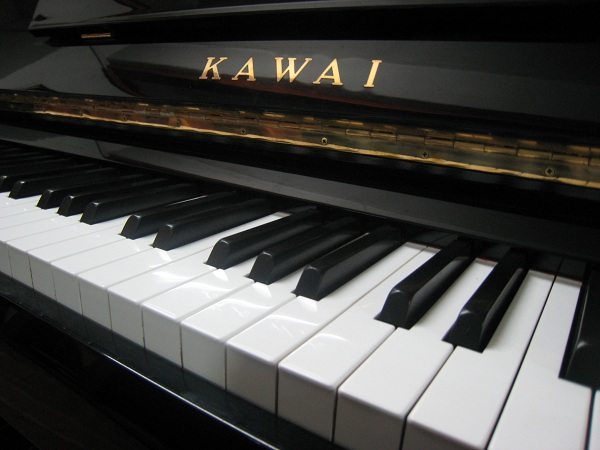
The story of Kawai Pianos must look back at the life and career of the founder of the company, Koichi Kawai, who is well known in the Japanese music industry for his innovative and forward thinking view of the construction of musical instruments. I understand the excellence of the production values used in the creation of products from Kawai Musical Instruments, which was founded in 1927 and has gone on to become one of the world’s largest and most important producers of pianos, organs, and synthesizers; unlike many of their rivals in Japan the leaders at Kawai have refused to diversify into the production of other musical equipment as they hold the belief their acoustic and digital piano’s are among the most prestigious in the world.
I believe the choice to stay true to the original vision of Koichi Kawai in producing the best pianos has served the company well with instruments that have a warm bell like tone Japanese piano’s are well known for.
A Mechanical Genius
Koichi Kawai was born in Hamamatsu, Japan in 1886 as the son of a wagon maker and quickly showed his skill in creating his own equipment to make life working with his father as simple and efficient as possible. Eventually, the equipment and machines created by Koichi Kawai brought him to the attention of a neighbor, Torakusu Yamaha, who decided the innovative pedal powered cart Kawai manufactured should lead to an apprenticeship with his company.
It was at Yamaha’s company that I believe Koichi Kawai began to make his first impact on the piano building industry of Japan, my own research shows Koichi was the first to construct a working piano action that makes him one of the great piano makers of the 20th century, in my opinion.
Becoming Independent
After making his name in what would now be seen as the research and development department of Yamaha’s company that was then known as the Nippon Gakki Co. Kawai decided to go his own way in business when Yamaha sold his company to new owners. The Kawai Musical Instrument Research Laboratory was officially founded in 1927 after I believe Koichi Kawai had helped make what would become the Yamaha Corporation a major name in the construction of musical instruments.
Koichi Kawai entered the business world as a visionary with extensive skills in the fledgling upright piano industry in Japan during the early part of the 20th century. I believe it was during the life of the founder of Kawai that the initial decision was made with the seven other members of Yamaha’s musical instrument development team that the decision to make only pianos and organs was made, a decision I am happy to see remains important to the current business leaders at Kawai who believe in making only the best quality piano instruments at all times.
Developing the Kawai Brand
Understanding the history of the creation of musical instruments is an important part of my work and has seen me look back at how the many transitions of leadership at Kawai have allowed the same ethos to remain in place, which I believe has always led to the construction of only the best quality pianos and organs sold through my store. Over the course of the growth of Kawai Musical Instruments in the 20th century the work of Koichi’s son, Shigeru as the leader of the company until his death in 2006 has kept a family feel for the company that I believe keeps Kawai pushing onward towards a more successful future.
Developments in Production
After playing many different Kawai pianos I believe the major breakthroughs in production, tone, and sound began to be made in the 1970s when the innovation at the company began to take major leaps forward. Differences in tone and sound were identified by the engineers at Kawai during this time and led to the introduction of composite wood materials in important areas of the piano; I believe the classic wood design of a piano can be important, but different temperatures and humidity levels can have a major effect on sound that is eliminated when using composite wood.
21st Century Rise
My own interests in musical instruments, and in particular in the best piano products have seen my interest in Kawai piano products piqued in recent years as I have seen the piano manufacturer awarded many different prizes over the course of the 21st century. Over the course of the 21st century Kawai has been given more than 30 international awards for the construction of the many different kinds of piano the company now creates.
One of the most impressive designs I have ever seen is that of the Shigeru Kawai Premier Grand Piano that debuted at the turn of the century after I heard rumors of this impressive piano being tested in the last years of the 20th century. I was impressed to read about testing completed by international experts shows the Shigeru Kawai Premier maintains its tone and warm sound through the use of new materials pioneered by the company that I believe is one of the major reasons the brand has become a personal favorite of mine.